Comparison of data levels in flash memory

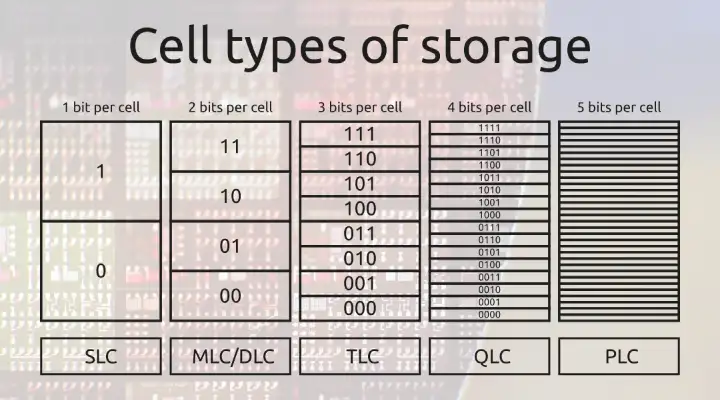
In flash memory, the “data level” refers to the number of bits stored per memory cell. As technology has evolved, manufacturers have developed ways to store more information in the same physical space by increasing the precision of the voltage levels within each cell. Here is a comparison of the primary data levels in flash … “Comparison of data levels in flash memory” [More]
VirtualBox: A Comprehensive Overview

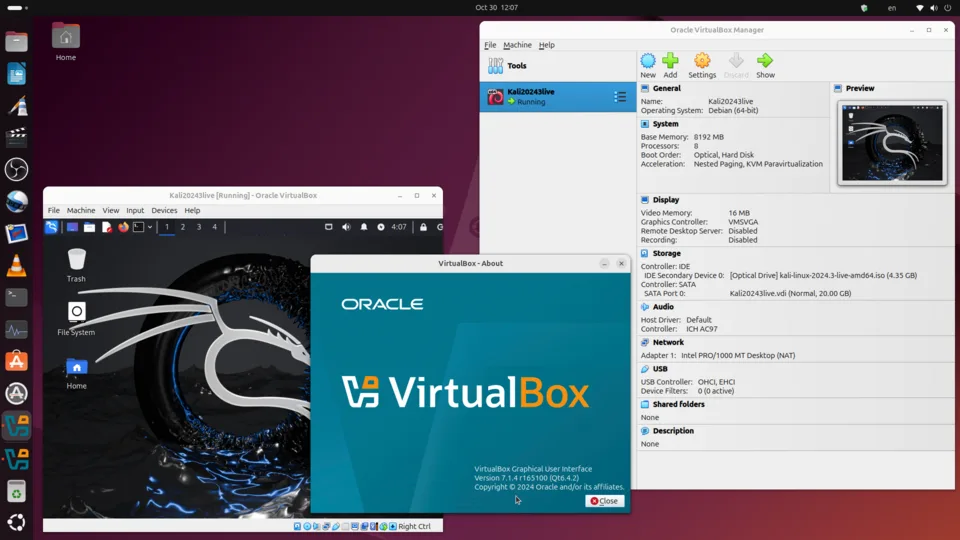
VirtualBox is a powerful, open-source hypervisor (specifically a Type 2 hypervisor) that allows you to run multiple operating systems (virtual machines) simultaneously on a single physical computer. It is developed by Oracle Corporation and is widely used by developers, IT professionals, students, and home users for testing, development, and security. Key Features of VirtualBox Cross-Platform: … “VirtualBox: A Comprehensive Overview” [More]

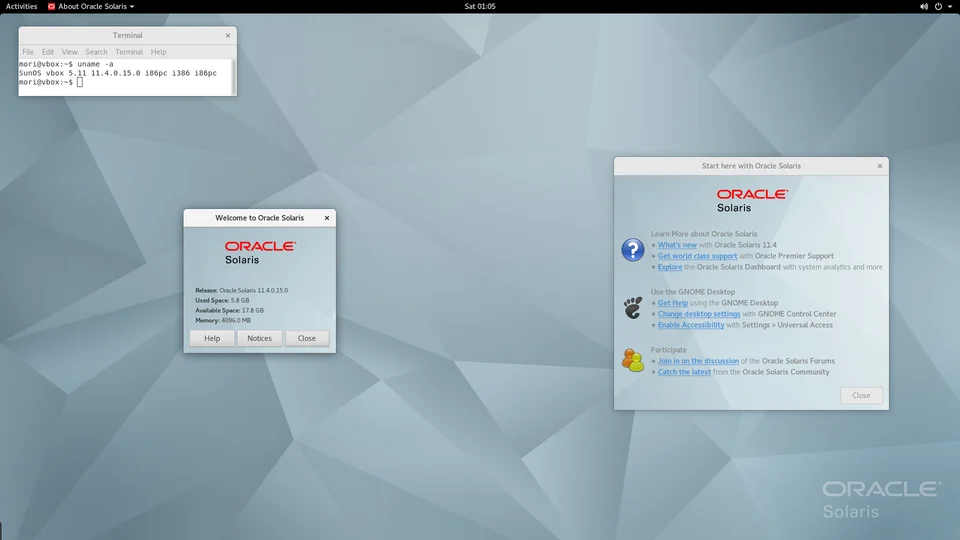
Oracle Solaris: A Comprehensive Overview

Solaris is a proprietary Unix-based operating system originally developed by Sun Microsystems. Over the decades, it has been a cornerstone of enterprise computing, powering large-scale databases, financial systems, and web infrastructures. Here is a breakdown of what makes Solaris significant, its history, and its current status. 1. Origins and History Birth: Solaris was born in … “Oracle Solaris: A Comprehensive Overview” [More]

Mainframe: A Deep Dive

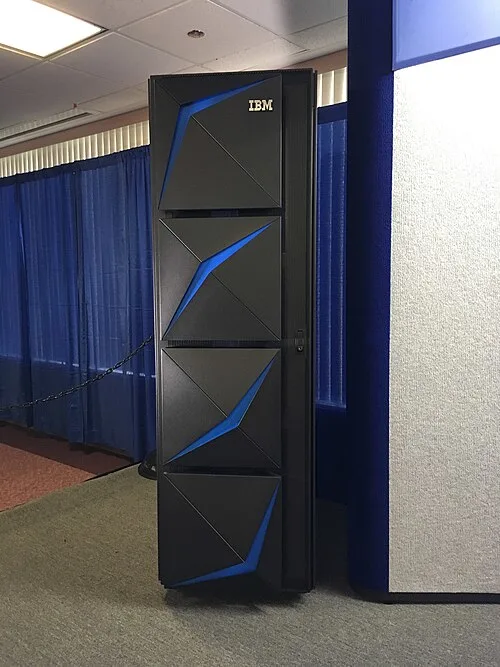
Mainframes are high-performance, ultra-reliable computers used by large organizations for critical applications, bulk data processing, and enterprise-level transaction processing. While the general public uses PCs and smartphones, the global economy—banking, insurance, retail, and government—runs on mainframes. Here is a breakdown of what you need to know about mainframes: 1. Key Characteristics Reliability and Availability: Mainframes … “Mainframe: A Deep Dive” [More]

List of major AMD CPUs

AMD’s CPU history is vast, but it is best understood by breaking it down into major architectural eras. Here is a list of the most significant AMD CPUs that defined the market. 1. The Early Years (x86 Foundations) Am386 / Am486 (1991–1993): These were the clones that established AMD as a viable competitor to Intel, … “List of major AMD CPUs” [More]

List of major Intel CPUs

Intel’s processor history spans over 50 years. To make this list useful, it is broken down by the significant eras of their architecture. 1. The Early Eras (Foundational) Intel 4004 (1971): The world’s first commercially available microprocessor. Intel 8080 (1974): The chip that powered the Altair 8800, sparking the personal computer revolution. Intel 8086/8088 (1978): … “List of major Intel CPUs” [More]

x86 virtualization: A Deep Dive

x86 virtualization is the technology that allows a single physical computer (the “host”) to run multiple, isolated operating systems (the “guests”) simultaneously. Because the x86 architecture (originally designed by Intel for the 8086 processor) was never intended to be virtualized, achieving this required significant engineering workarounds over the decades. Here is a breakdown of how … “x86 virtualization: A Deep Dive” [More]

KVM (Kernel-based Virtual Machine): A Deep Dive

KVM (Kernel-based Virtual Machine) is an open-source virtualization technology built directly into the Linux kernel. It turns the Linux kernel into a Type-1 hypervisor, allowing a host machine to run multiple isolated virtual machines (VMs), each with its own operating system (Linux, Windows, BSD, etc.). Here is a comprehensive breakdown of how KVM works, its … “KVM (Kernel-based Virtual Machine): A Deep Dive” [More]

List of major quantum computers

The field of quantum computing is moving rapidly, with major players divided between tech giants, specialized hardware companies, and government-backed research initiatives. Because “major” can be defined by qubit count, error-correction capability, or commercial availability, here are the most prominent quantum computers categorized by their institutional origin and technology type. 1. The Tech Giants (Cloud-Accessible) … “List of major quantum computers” [More]

Quantum Computer: A Deep Dive

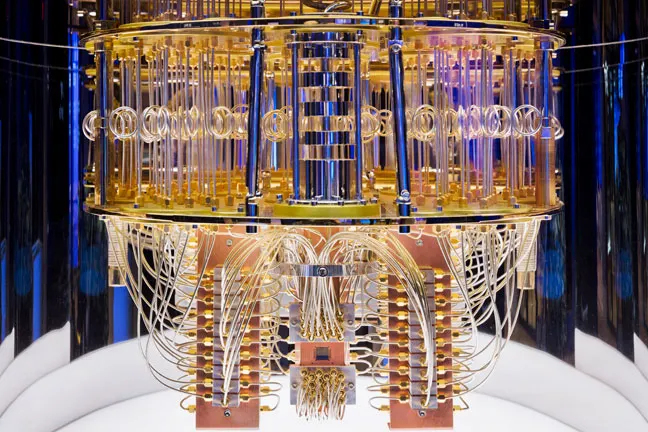
A quantum computer is a revolutionary type of computing device that uses the principles of quantum mechanics—the physics of subatomic particles—to process information in ways that traditional (“classical”) computers cannot. To understand how they work, it helps to compare them to the computers we use every day. 1. The Core Difference: Bits vs. Qubits Classical … “Quantum Computer: A Deep Dive” [More]