List of major Debian-based Linux distributions

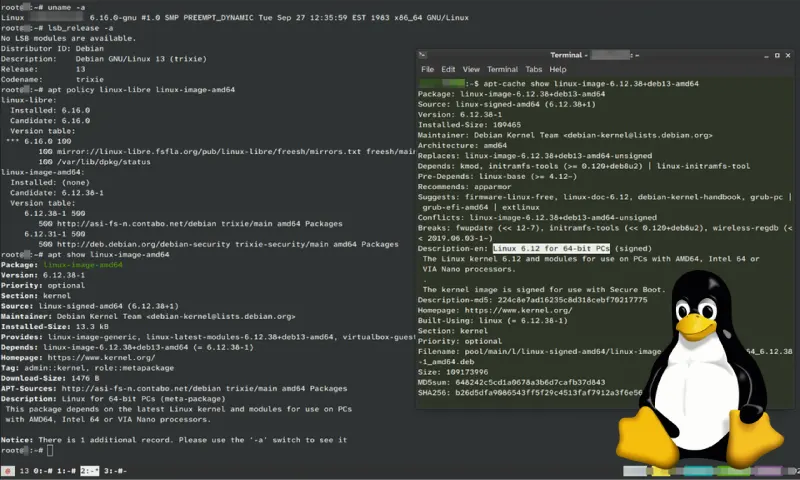
Debian serves as the “universal operating system” and the upstream foundation for a massive ecosystem of distributions. Because Debian is highly stable but sometimes considered difficult for beginners, many distributions have been created to provide more user-friendly interfaces, pre-installed software, or specific use cases. Here is a list of major Debian-based Linux distributions, categorized by … “List of major Debian-based Linux distributions” [More]
Slackware Linux: A Deep Dive

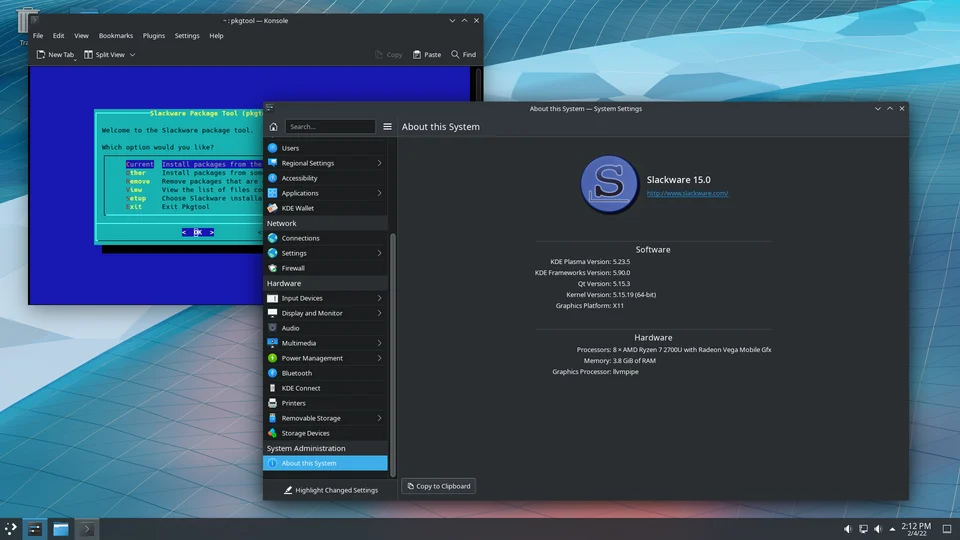
Slackware Linux holds a unique and legendary place in the history of computing. Created by Patrick Volkerding in 1993, it is the oldest surviving Linux distribution that is still actively maintained. Here is a breakdown of what makes Slackware stand out in the Linux ecosystem. 1. The Core Philosophy: “Keep It Simple” Slackware’s design philosophy … “Slackware Linux: A Deep Dive” [More]

Comparison of Red Hat-based Linux and Debian-based Linux

Choosing between Red Hat-based (RHEL, Fedora, AlmaLinux, Rocky Linux) and Debian-based (Debian, Ubuntu, Linux Mint) distributions is the most common dilemma in the Linux world. The differences generally boil down to package management, release philosophy, and target use cases. 1. Package Management This is the most visible difference for a user. Debian-based (.deb / apt): … “Comparison of Red Hat-based Linux and Debian-based Linux” [More]

Linux Mint: A Deep Dive

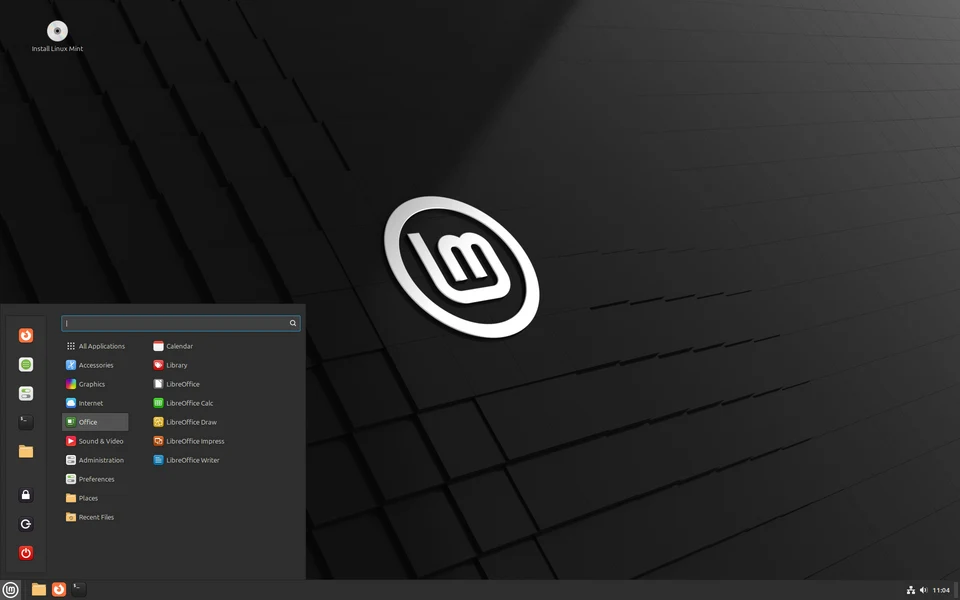
Linux Mint is one of the most popular and user-friendly distributions of the Linux operating system. It is designed to be easy to use, visually appealing, and highly reliable. It is an excellent choice for beginners—especially those transitioning from Windows or macOS—as well as power users who want a stable, “it just works” environment. Here … “Linux Mint: A Deep Dive” [More]

Gentoo Linux: A Deep Dive

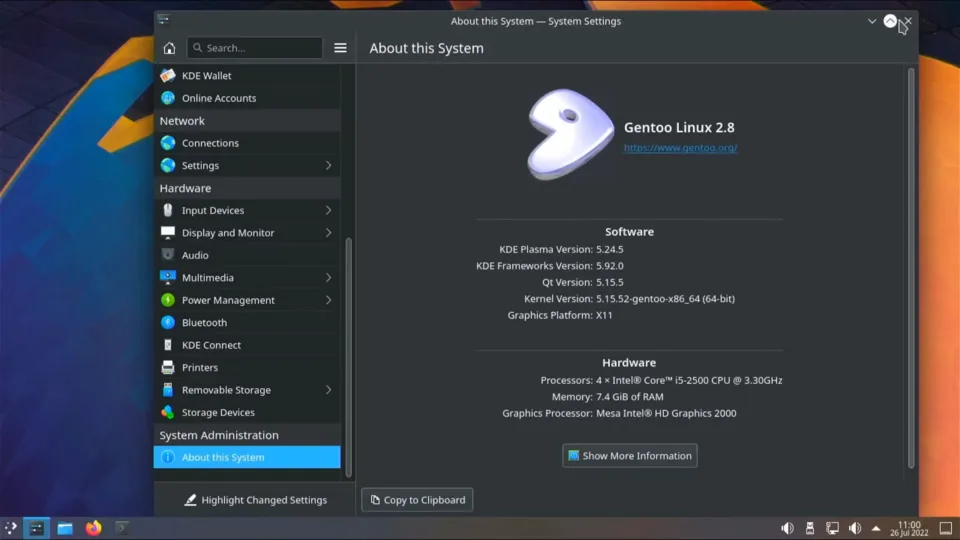
Gentoo Linux is one of the most unique and technically demanding distributions in the Linux ecosystem. Unlike mainstream distributions like Ubuntu or Fedora, which provide pre-compiled software, Gentoo is a source-based distribution. Here is a breakdown of what makes Gentoo special, how it works, and who it is for. 1. The Core Philosophy: “The Meta-Distribution” … “Gentoo Linux: A Deep Dive” [More]

ChromeOS: A Comprehensive Overview

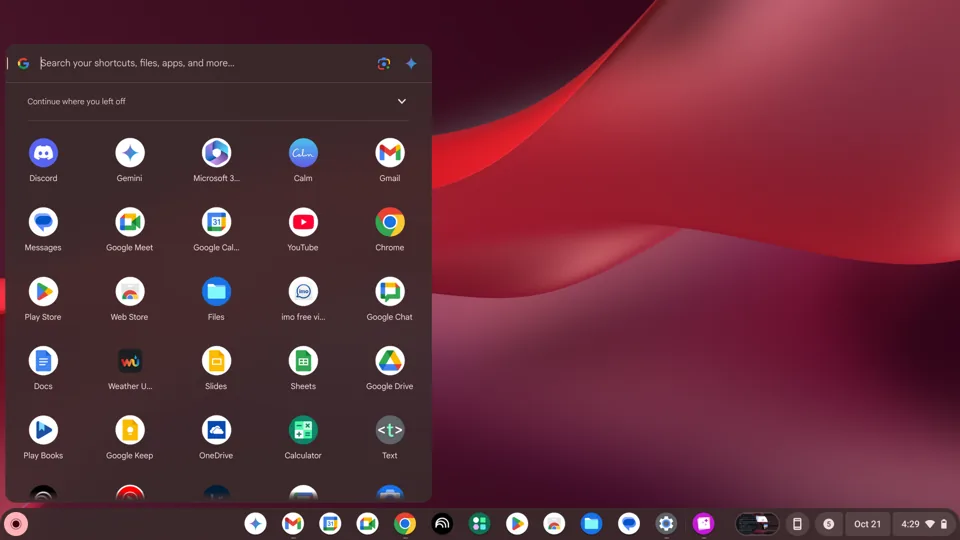
ChromeOS is a lightweight, cloud-centric operating system developed by Google. Unlike Windows or macOS, which are designed to run complex local software, ChromeOS is built primarily around the Google Chrome web browser. Here is a breakdown of what you need to know about ChromeOS: 1. Core Philosophy: “Cloud-First” The fundamental idea behind ChromeOS is that … “ChromeOS: A Comprehensive Overview” [More]

KVM (Kernel-based Virtual Machine): A Deep Dive

KVM (Kernel-based Virtual Machine) is an open-source virtualization technology built directly into the Linux kernel. It turns the Linux kernel into a Type-1 hypervisor, allowing a host machine to run multiple isolated virtual machines (VMs), each with its own operating system (Linux, Windows, BSD, etc.). Here is a comprehensive breakdown of how KVM works, its … “KVM (Kernel-based Virtual Machine): A Deep Dive” [More]

Manjaro Linux: A Deep Dive

Manjaro Linux is a popular, user-friendly, and powerful Linux distribution based on Arch Linux. It is designed to make the power of Arch accessible to everyday users without the complexity of a manual installation. Here is a breakdown of what makes Manjaro unique, its pros and cons, and who it is for. 1. The Core … “Manjaro Linux: A Deep Dive” [More]

Knoppix: A Comprehensive Overview

Knoppix is a classic and historically significant Linux distribution that pioneered the concept of the “Live CD” (or Live USB). It is based on Debian and is designed to be booted directly from removable media without needing to install anything onto the computer’s hard drive. Here is a breakdown of what makes Knoppix unique and … “Knoppix: A Comprehensive Overview” [More]

List of major lightweight Linux distributions

“Lightweight” in the Linux world can mean two things: distributions designed for old/low-resource hardware (limited RAM/CPU) or distributions that are minimalist (giving you only the essentials). Here is a list of the major lightweight Linux distributions, categorized by their intended use: 1. The “Easy to Use” (Good for Beginners) These are ideal if you want … “List of major lightweight Linux distributions” [More]