Microsoft Maia: A Deep Dive

Microsoft Maia (short for “Microsoft AI Accelerator”) is a series of custom-designed AI chips developed by Microsoft to power its massive data centers and support its growing artificial intelligence ecosystem, particularly Azure OpenAI Service. Announced in November 2023, Maia represents Microsoft’s effort to reduce its reliance on third-party hardware (like Nvidia GPUs) and optimize its … “Microsoft Maia: A Deep Dive” [More]
AWS Trainium and Inferentia: A Deep Dive

AWS Trainium and Inferentia are Amazon’s custom-designed silicon chips, built specifically to provide high-performance, cost-effective alternatives to general-purpose GPUs (like NVIDIA’s H100 or A100) for machine learning workloads. They are part of the AWS Annapurna Labs family and are designed to solve the two distinct halves of the AI lifecycle: training and inference. 1. AWS … “AWS Trainium and Inferentia: A Deep Dive” [More]

Google TPU: A Deep Dive

Google’s TPU (Tensor Processing Unit) is a specialized hardware accelerator designed specifically for machine learning (ML) and deep learning tasks. While GPUs (Graphics Processing Units) are general-purpose accelerators that can handle both graphics and AI, TPUs are “Application-Specific Integrated Circuits” (ASICs) custom-built by Google to accelerate the math behind neural networks. Here is a breakdown … “Google TPU: A Deep Dive” [More]

AMD Instinct: A Deep Dive

AMD Instinct is AMD’s flagship brand of GPU accelerators designed specifically for high-performance computing (HPC), artificial intelligence (AI), and machine learning (ML) workloads in data centers. They are the primary competitors to NVIDIA’s “H” (Hopper) and “B” (Blackwell) series of data center GPUs. Here is a breakdown of what you need to know about the … “AMD Instinct: A Deep Dive” [More]

List of major NVIDIA RTX products

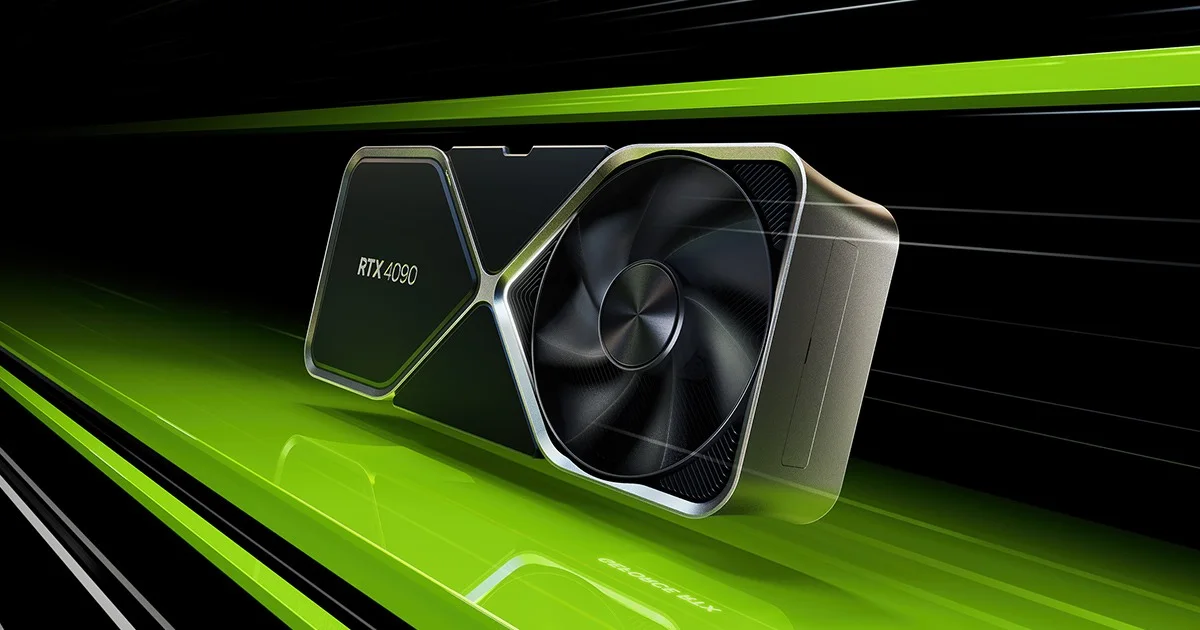
NVIDIA’s RTX brand represents their line of graphics cards that support Ray Tracing and DLSS (Deep Learning Super Sampling). These are categorized by their architecture and generation. Here is the list of major NVIDIA RTX products organized by generation: 1. GeForce RTX 50-Series (“Blackwell” Architecture) The most recent generation, focused on extreme performance and advanced … “List of major NVIDIA RTX products” [More]

NVIDIA RTX: A Deep Dive into the NVIDIA’s high-end GPU

NVIDIA’s RTX brand represents the company’s high-end line of graphics cards (GPUs) that feature hardware-accelerated Ray Tracing and AI-driven capabilities. Launched in 2018 with the GeForce RTX 20-series, it marked a massive shift in how computer graphics are rendered in real-time. Here is a breakdown of what makes RTX special. 1. The Core Technologies The … “NVIDIA RTX: A Deep Dive into the NVIDIA’s high-end GPU” [More]

NVIDIA Blackwell: A Deep Dive

NVIDIA’s Blackwell platform represents the company’s most significant leap in high-performance computing and artificial intelligence (AI) since the introduction of the Hopper architecture (H100). Unveiled in early 2024, Blackwell is designed to handle the trillion-parameter scale of next-generation AI models. Here is a breakdown of what makes Blackwell significant: 1. The Core Architecture: B200 and … “NVIDIA Blackwell: A Deep Dive” [More]

NVIDIA Hopper architecture: A Deep Dive

The NVIDIA Hopper architecture (named after computer science pioneer Grace Hopper) represents a major shift in GPU computing, designed specifically to address the massive computational demands of Generative AI and Large Language Models (LLMs). First announced in 2022, the flagship chip based on this architecture is the NVIDIA H100. Here is a breakdown of what … “NVIDIA Hopper architecture: A Deep Dive” [More]

Comparison of data levels in flash memory

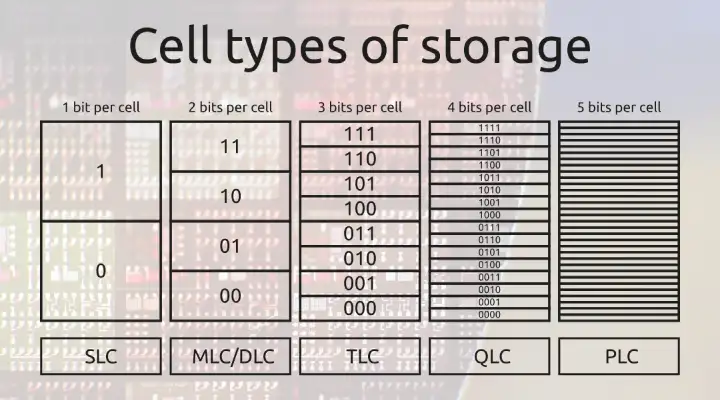
In flash memory, the “data level” refers to the number of bits stored per memory cell. As technology has evolved, manufacturers have developed ways to store more information in the same physical space by increasing the precision of the voltage levels within each cell. Here is a comparison of the primary data levels in flash … “Comparison of data levels in flash memory” [More]

VirtualBox: A Comprehensive Overview

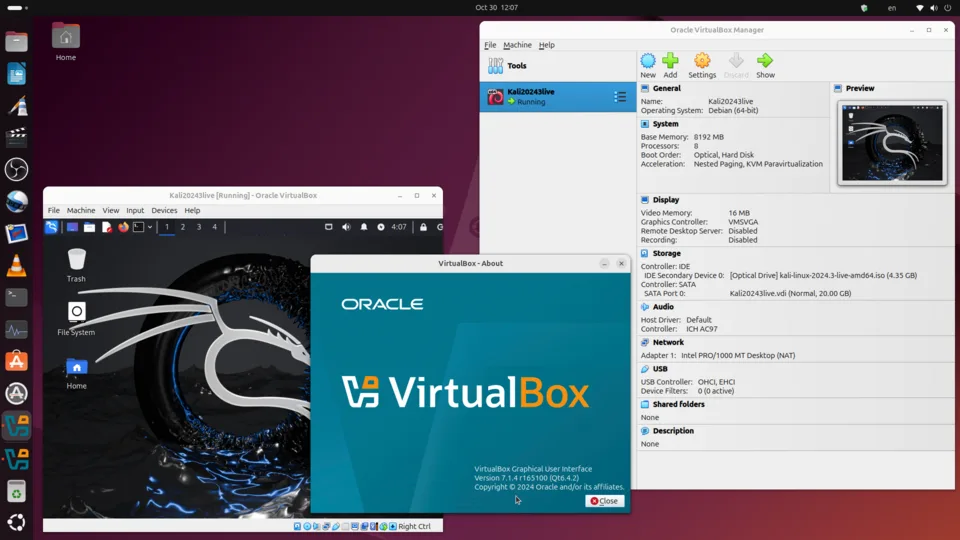
VirtualBox is a powerful, open-source hypervisor (specifically a Type 2 hypervisor) that allows you to run multiple operating systems (virtual machines) simultaneously on a single physical computer. It is developed by Oracle Corporation and is widely used by developers, IT professionals, students, and home users for testing, development, and security. Key Features of VirtualBox Cross-Platform: … “VirtualBox: A Comprehensive Overview” [More]