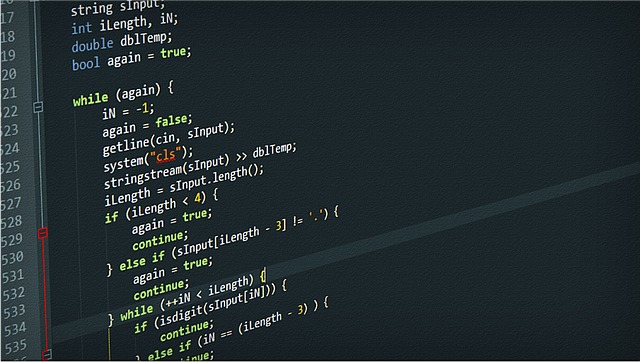
Some simple code examples for QB64

QB64 is a modern dialect of QBasic/QuickBASIC, designed to be compatible with classic BASIC while adding new features and supporting modern operating systems. It’s great for learning programming because of its simplicity and immediate visual/auditory feedback. Here are some simple code examples to get you started: 1. Hello World (The Absolute Basic) This program clears … “Some simple code examples for QB64” [More]

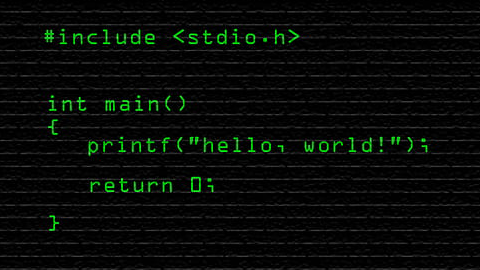
“Hello, World!” for C and C++

Here’s the classic “Hello, World!” code for both C and C++, along with explanations and how to compile/run them. C Hello World Code #include <stdio.h> // Required for input/output functions like printf int main() { // printf is a function used to print formatted output to the console printf(“Hello, World!\n”); // main returns an integer. … ““Hello, World!” for C and C++” [More]

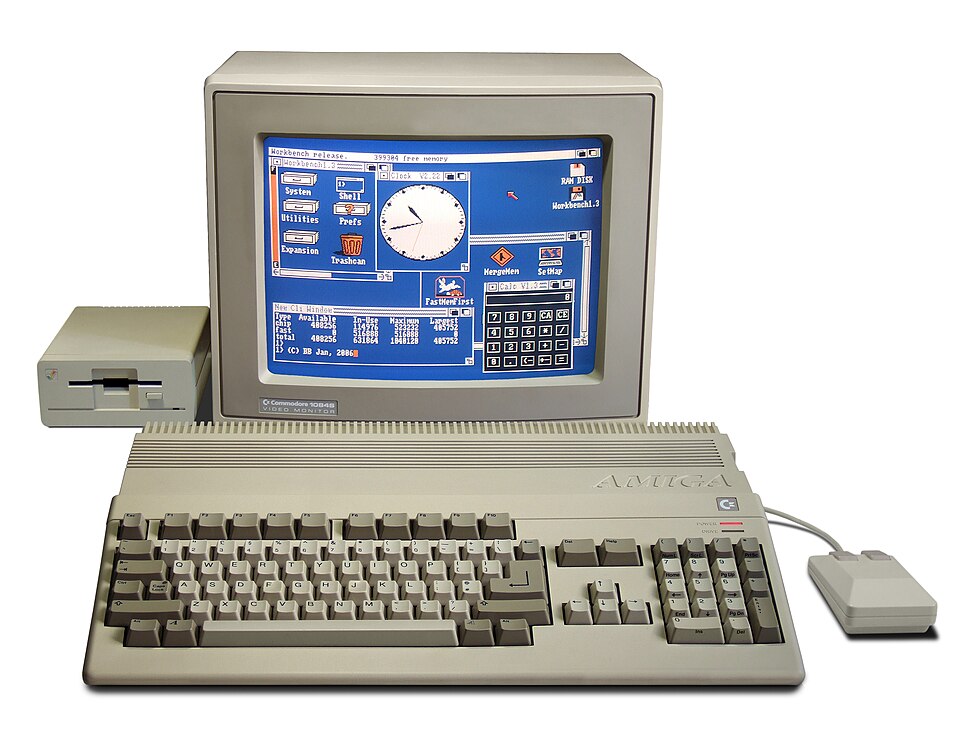
The Commodore Amiga: A Revolutionary Computer Ahead of Its Time

The Commodore Amiga: A Revolutionary Computer Ahead of Its Time The Commodore Amiga was a family of personal computers released by Commodore International in 1985. It’s often remembered with immense fondness by those who used it, and for good reason. It was a groundbreaking machine that pushed the boundaries of what was possible in home … “The Commodore Amiga: A Revolutionary Computer Ahead of Its Time” [More]

ASCII character table – 128 Basic characters

ASCII basically has 128 characters. Control Characters: 33 Chars. (0x00 to 0x1F and 0x7F) Normal Characters: 95 Chars. (0x20 to 0x7E) Since UTF-8 encoding represents these characters with only one byte, it is compatible with ASCII. Code Table Code Chr Description Hex Dec Oct Bin  00 0 000 000 0000 NUL Null 01 1 001 000 0001 … “ASCII character table – 128 Basic characters” [More]

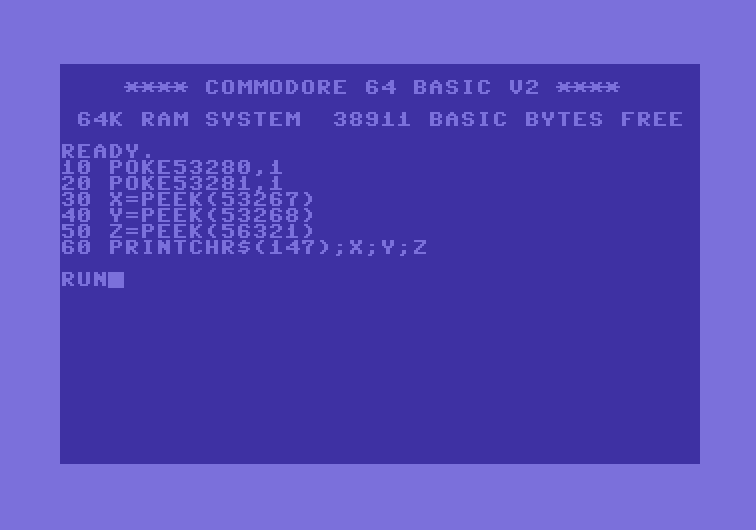
Commodore 64 BASIC: A Deep Dive

Commodore 64 BASIC: A Deep Dive The Commodore 64 (C64) is iconic, and a huge part of its legacy is its BASIC interpreter. It wasn’t just a BASIC, it was the BASIC for a generation of home computer users. Here’s a comprehensive look at C64 BASIC, covering its history, features, limitations, and why it’s still … “Commodore 64 BASIC: A Deep Dive” [More]

QB64: A Deep Dive into a Modern BASIC Interpreter

QB64: A Deep Dive into a Modern BASIC Interpreter QB64 is a fascinating project – a modern, high-quality implementation of the QuickBASIC programming language. It’s a powerful tool for learning to program, revisiting classic BASIC, and even creating surprisingly complex applications. Here’s a comprehensive overview, covering its history, features, strengths, weaknesses, and how to get … “QB64: A Deep Dive into a Modern BASIC Interpreter” [More]

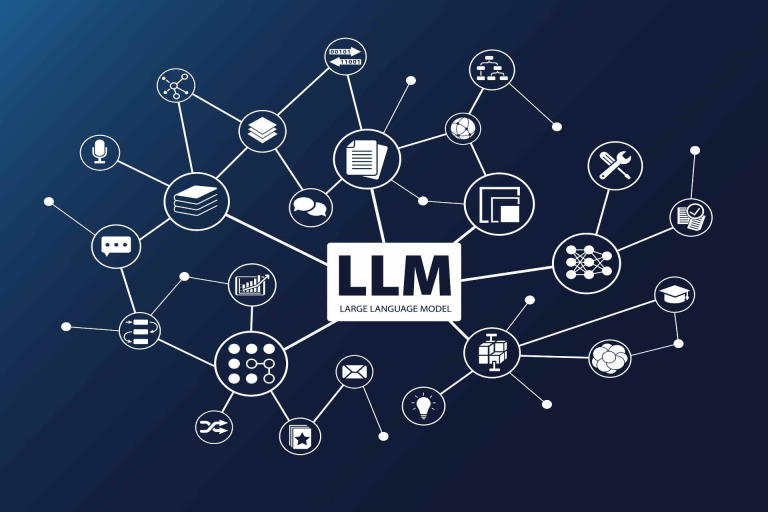
Large Language Models (LLMs): A Deep Dive

Large Language Models (LLMs): A Deep Dive Large Language Models (LLMs) are currently one of the most exciting and rapidly evolving areas of Artificial Intelligence. Here’s a comprehensive overview, covering what they are, how they work, their capabilities, limitations, and future trends: 1. What are LLMs? Definition: LLMs are a type of artificial intelligence (AI) … “Large Language Models (LLMs): A Deep Dive” [More]

C23: The Latest Standard for the C Programming Language

C23: The Latest Standard for the C Programming Language C23 is the latest version of the ISO C standard, officially published in February 2024. It builds upon C17 (published in 2018) and introduces new features, library functions, and improvements to the language. Here’s a comprehensive overview, covering its key aspects, benefits, challenges, and compiler support: … “C23: The Latest Standard for the C Programming Language” [More]

CUDA: A Deep Dive into the NVIDIA’s Parallel Computing Platform

CUDA: A Deep Dive into NVIDIA’s Parallel Computing Platform CUDA (Compute Unified Device Architecture) is a parallel computing platform and programming model developed by NVIDIA. It allows developers to use NVIDIA GPUs for general-purpose processing, significantly accelerating computationally intensive tasks. Here’s a comprehensive overview, covering its history, architecture, programming, applications, and future trends: 1. History … “CUDA: A Deep Dive into the NVIDIA’s Parallel Computing Platform” [More]

Java: A Comprehensive Overview

Java: A Comprehensive Overview Java is a hugely popular, versatile, and widely-used programming language. Here’s a breakdown covering its history, key features, uses, strengths, weaknesses, and future outlook: 1. History & Origins Developed by: James Gosling and his team at Sun Microsystems (later acquired by Oracle) in the early 1990s. Initial Goal: To create a … “Java: A Comprehensive Overview” [More]