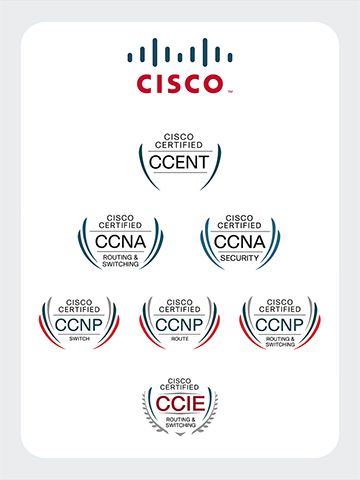
Cisco Certifications: A Comprehensive Overview

Cisco certifications are globally recognized credentials that validate your skills and expertise in networking, security, collaboration, and more. They’re highly valued by employers and can significantly boost your career prospects in the IT industry. Here’s a breakdown, covering everything from the basics to current tracks and resources: Why Get a Cisco Certification? Industry Recognition: Cisco … “Cisco Certifications: A Comprehensive Overview” [More]
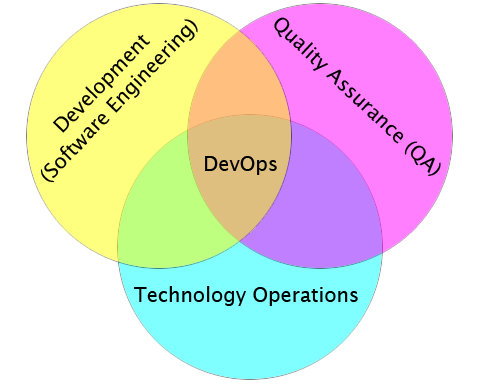
DevOps: A Comprehensive Overview

DevOps is more than just a tool or a technology; it’s a cultural philosophy and a set of practices that aims to unify software development (Dev) and IT operations (Ops). It’s about breaking down traditional silos and fostering collaboration to deliver software faster, more reliably, and with better quality. Here’s a breakdown covering key aspects … “DevOps: A Comprehensive Overview” [More]
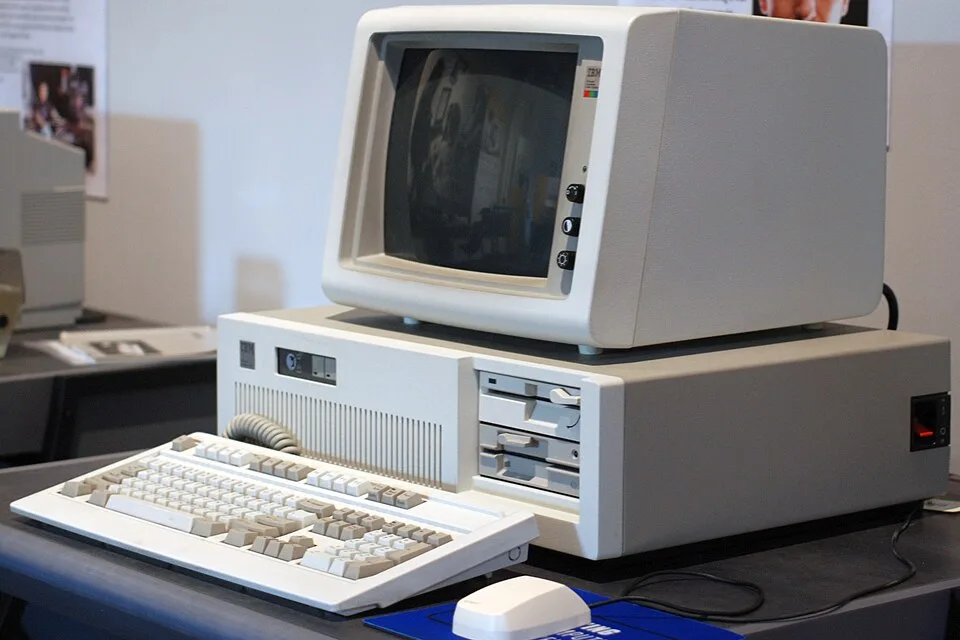
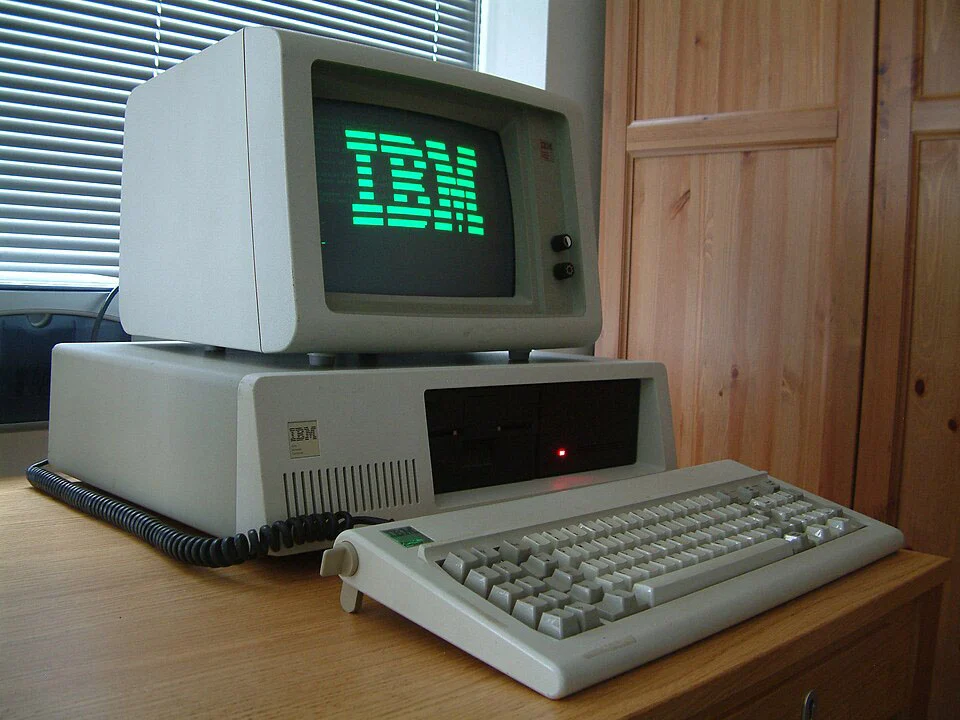
IBM PC AT: The Great Evolution of the IBM PC

The IBM Personal Computer/AT (often simply referred to as the IBM PC AT or just AT) was a landmark personal computer released by IBM in August 1984. The “AT” stood for “Advanced Technology,” and it truly lived up to its name, setting a new standard for performance, expandability, and architecture that would dominate the PC … “IBM PC AT: The Great Evolution of the IBM PC” [More]

List of Unicode Planes and Blocks

This list lists the character planes and blocks registered in Unicode. This list is based on Unicode version 17.0 (2025). List of Unicode Planes Plane 0 (U+0000 – U+FFFF): Basic Multilingual Plane (BMP) Plane 1 (U+10000 – U+1FFFF): Supplementary Multilingual Plane (SMP) Plane 2 (U+20000 – U+2FFFF): Supplementary Ideographic Plane (SIP) Plane 3 (U+30000 – … “List of Unicode Planes and Blocks” [More]

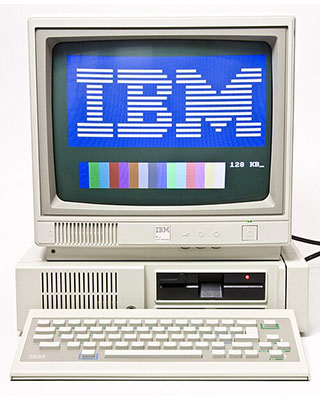
IBM PCjr: IBM’s ill-fated product that was innovative but failed due to missteps

The IBM PCjr (pronounced “PC junior”) was IBM’s attempt to enter the burgeoning home computer market in the mid-1980s. Released in late 1983, it was designed to be a more affordable and user-friendly version of the hugely successful IBM PC, targeting families and educational institutions. However, despite its pedigree and some innovative features, the PCjr … “IBM PCjr: IBM’s ill-fated product that was innovative but failed due to missteps” [More]

IBM PC XT: Another Big Evolution of the IBM PC

The IBM Personal Computer XT (eXtended Technology), often simply called the IBM XT, was a significant personal computer released by IBM in October 1983. It was a direct successor to the original IBM PC (released in 1981) and built upon its architecture, but with key improvements aimed primarily at the business market. Here’s a breakdown … “IBM PC XT: Another Big Evolution of the IBM PC” [More]

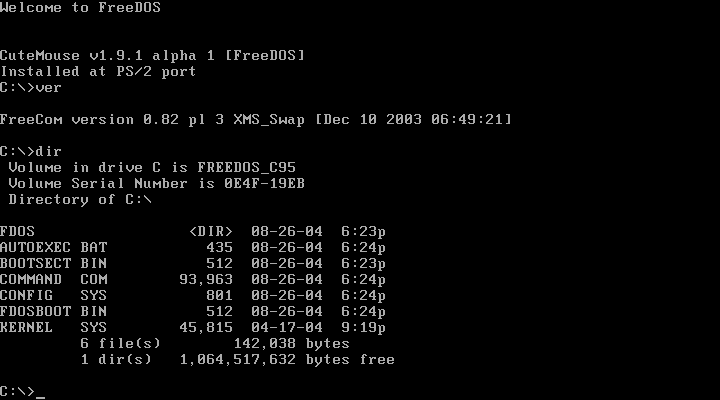
Disk Operating System (DOS): Classic CLI-based operating system

DOS, which stands for Disk Operating System, was the dominant operating system for personal computers in the 1980s and early 1990s, before the widespread adoption of graphical user interfaces (GUIs) like Microsoft Windows. Here’s a breakdown of what DOS was, its history, features, and impact: What is DOS? DOS is a family of operating systems … “Disk Operating System (DOS): Classic CLI-based operating system” [More]

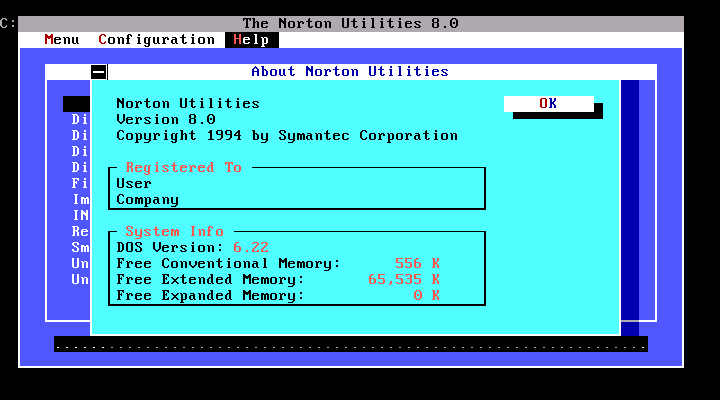
Norton Utilities: An iconic and pioneering computer utility program

Norton Utilities is an iconic and pioneering suite of system utilities for Microsoft DOS and Windows, primarily known for its tools to optimize, troubleshoot, and recover data on personal computers. It was developed by Peter Norton Computing, later acquired by Symantec (now part of Gen Digital). Here’s a breakdown of its history, features, importance, and … “Norton Utilities: An iconic and pioneering computer utility program” [More]

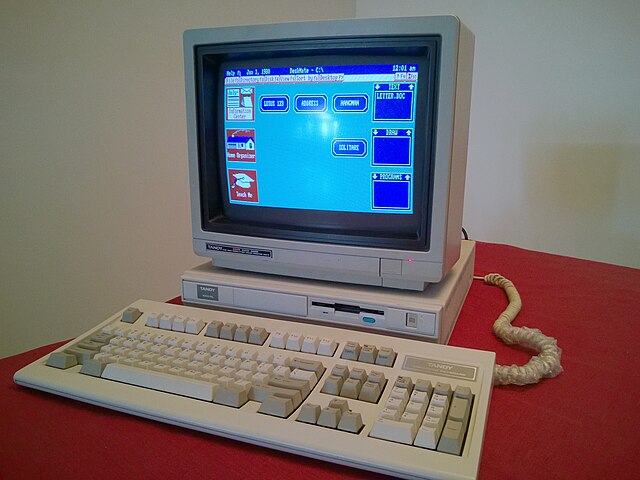
The Tandy 1000: The Classic 8-bit Home Computer

The Tandy 1000 is a fascinating piece of computing history. Released in 1983 by Radio Shack, it was a significant step up from the earlier TRS-80 models and a strong competitor in the burgeoning home computer market of the early 80s. Here’s a comprehensive look at the Tandy 1000, covering its history, specs, strengths, weaknesses, … “The Tandy 1000: The Classic 8-bit Home Computer” [More]

The Intel 8088: A Deep Dive into the Chip That Launched the PC Revolution

The Intel 8088 is a historically significant microprocessor. Released in 1979, it’s arguably the chip that powered the original IBM PC and, consequently, launched the personal computer revolution as we know it. Here’s a comprehensive look at its architecture, features, history, and legacy: 1. Historical Context & Why it was Chosen for the IBM PC … “The Intel 8088: A Deep Dive into the Chip That Launched the PC Revolution” [More]