Some simple code examples for QB64

QB64 is a modern dialect of QBasic/QuickBASIC, designed to be compatible with classic BASIC while adding new features and supporting modern operating systems. It’s great for learning programming because of its simplicity and immediate visual/auditory feedback. Here are some simple code examples to get you started: 1. Hello World (The Absolute Basic) This program clears … “Some simple code examples for QB64” [More]
“Hello, World!” for C and C++

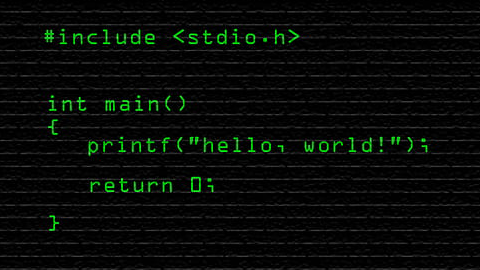
Here’s the classic “Hello, World!” code for both C and C++, along with explanations and how to compile/run them. C Hello World Code #include <stdio.h> // Required for input/output functions like printf int main() { // printf is a function used to print formatted output to the console printf(“Hello, World!\n”); // main returns an integer. … ““Hello, World!” for C and C++” [More]

Commodore 64 BASIC: A Deep Dive

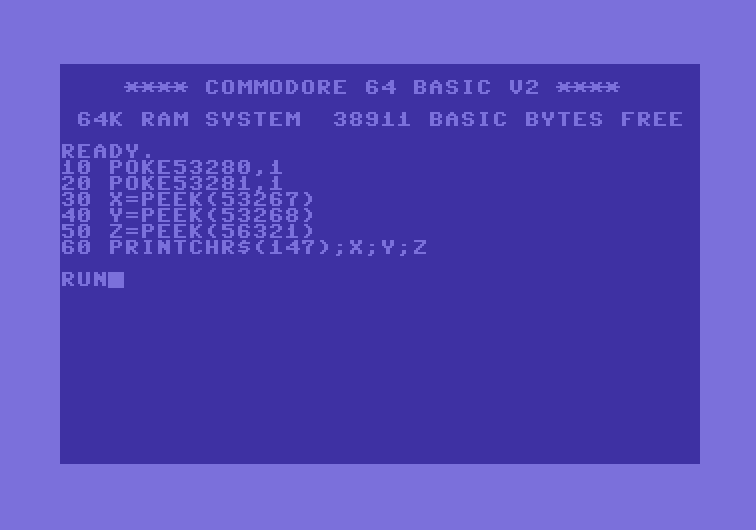
Commodore 64 BASIC: A Deep Dive The Commodore 64 (C64) is iconic, and a huge part of its legacy is its BASIC interpreter. It wasn’t just a BASIC, it was the BASIC for a generation of home computer users. Here’s a comprehensive look at C64 BASIC, covering its history, features, limitations, and why it’s still … “Commodore 64 BASIC: A Deep Dive” [More]

QB64: A Deep Dive into a Modern BASIC Interpreter

QB64: A Deep Dive into a Modern BASIC Interpreter QB64 is a fascinating project – a modern, high-quality implementation of the QuickBASIC programming language. It’s a powerful tool for learning to program, revisiting classic BASIC, and even creating surprisingly complex applications. Here’s a comprehensive overview, covering its history, features, strengths, weaknesses, and how to get … “QB64: A Deep Dive into a Modern BASIC Interpreter” [More]

C23: The Latest Standard for the C Programming Language

C23: The Latest Standard for the C Programming Language C23 is the latest version of the ISO C standard, officially published in February 2024. It builds upon C17 (published in 2018) and introduces new features, library functions, and improvements to the language. Here’s a comprehensive overview, covering its key aspects, benefits, challenges, and compiler support: … “C23: The Latest Standard for the C Programming Language” [More]

CUDA: A Deep Dive into the NVIDIA’s Parallel Computing Platform

CUDA: A Deep Dive into NVIDIA’s Parallel Computing Platform CUDA (Compute Unified Device Architecture) is a parallel computing platform and programming model developed by NVIDIA. It allows developers to use NVIDIA GPUs for general-purpose processing, significantly accelerating computationally intensive tasks. Here’s a comprehensive overview, covering its history, architecture, programming, applications, and future trends: 1. History … “CUDA: A Deep Dive into the NVIDIA’s Parallel Computing Platform” [More]

Java: A Comprehensive Overview

Java: A Comprehensive Overview Java is a hugely popular, versatile, and widely-used programming language. Here’s a breakdown covering its history, key features, uses, strengths, weaknesses, and future outlook: 1. History & Origins Developed by: James Gosling and his team at Sun Microsystems (later acquired by Oracle) in the early 1990s. Initial Goal: To create a … “Java: A Comprehensive Overview” [More]

Python: A high-level, general-purpose language

Python: A Comprehensive Overview Python is a high-level, general-purpose programming language. It’s known for its readability, versatility, and large community support. Here’s a breakdown covering its key aspects: 1. Core Features & Philosophy Readability: Python emphasizes code readability with its use of significant indentation. This makes it easier to understand and maintain. The guiding principle … “Python: A high-level, general-purpose language” [More]

C Language: A Comprehensive Overview

C Language: A Comprehensive Overview C is a powerful and widely-used programming language. It’s considered a foundational language, meaning many other languages (like C++, Java, Python, and JavaScript) have borrowed concepts and syntax from it. Here’s a breakdown covering its history, features, uses, strengths, weaknesses, and where to learn more: 1. History & Origins Developed … “C Language: A Comprehensive Overview” [More]

Why you should use ‘int main()’ in C

Don’t Be Void-Minded: Why int main() is the Standard, Smarter Way to Start Your C Programs If you’ve spent any time learning C, you’ve probably encountered different ways to define your program’s entry point. The two most common contenders are void main() and int main(). While void main() might compile on some systems (and unfortunately, … “Why you should use ‘int main()’ in C” [More]