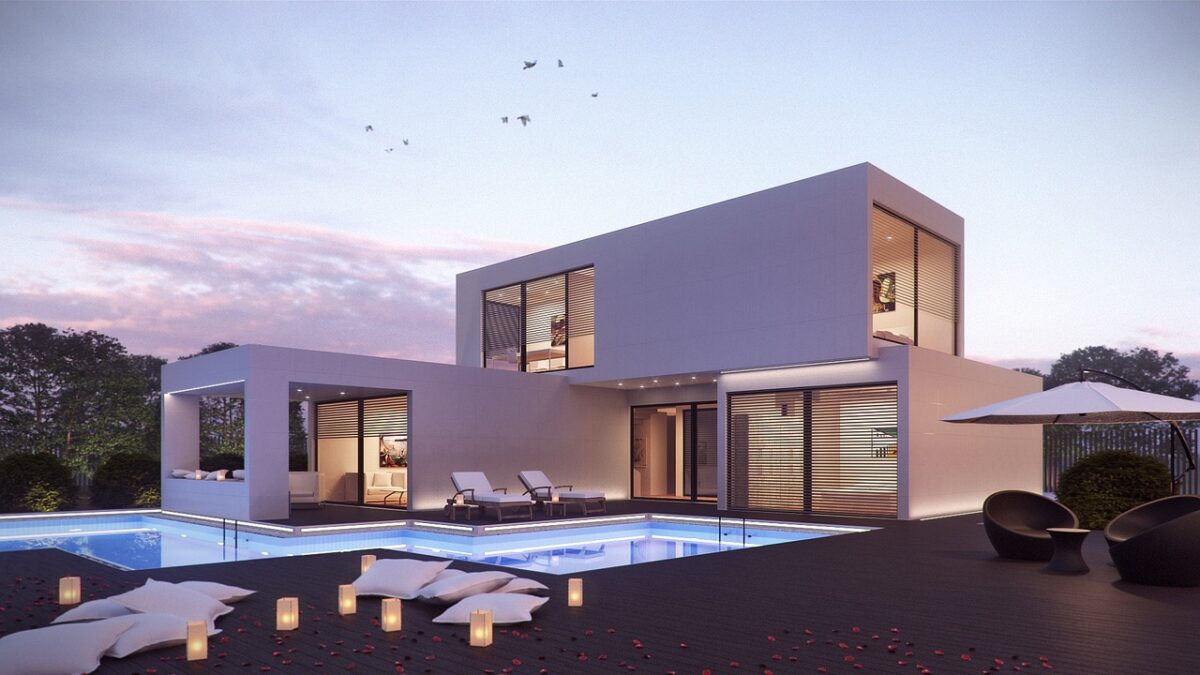
Prefabricated (or “prefab”) houses are gaining significant popularity as a modern, efficient, and often more affordable alternative to traditional stick-built construction. Here’s a detailed look at everything you need to know:
What are Prefabricated Houses?
Prefabricated houses are built in sections (modules) in a factory-controlled environment and then transported to the building site for assembly. They’re not the same as mobile homes, which are built on a chassis and often have different building codes and regulations. Prefab homes are built to the same building codes as site-built homes.
Types of Prefabrication
There are several levels of prefabrication, impacting cost, customization, and assembly time:
- Panelized Homes: These are built with wall panels, floors, and roof trusses constructed in the factory. They are shipped to the site and assembled like a giant Lego set. Offer more on-site construction than modular homes.
- Modular Homes: These are built in complete 3D modules (boxes) in the factory, including plumbing, electrical, and sometimes even finishes. They are transported and assembled on a foundation. This is the most common type of prefab.
- Kit Homes: These are delivered as a package of materials with detailed instructions for on-site assembly. Require significant DIY work. Often the most affordable, but also the most labor-intensive.
- Tiny Homes (often prefab): While not all tiny homes are prefab, many are built in factories for portability and efficiency.
- Volumetric Modular Construction: Similar to modular homes, but often used for multi-family buildings (apartments, hotels) where entire units are stacked and connected.
Advantages of Prefabricated Houses
- Cost Savings: Factory production streamlines the process, reduces material waste, and often lowers labor costs. However, costs can vary widely depending on finishes and customization.
- Faster Construction: While site preparation and foundation work happen concurrently, the house itself is built much faster in a factory. This can significantly reduce the overall project timeline. (Often 30-50% faster than traditional builds)
- Quality Control: Factory environments allow for stricter quality control and consistent construction standards. Protected from weather during construction.
- Sustainability: Reduced waste, efficient material usage, and the potential for eco-friendly materials contribute to a smaller environmental footprint.
- Design Flexibility: Modern prefab homes offer a wide range of architectural styles and customization options. You’re no longer limited to basic box shapes.
- Predictability: Fixed pricing and a defined construction schedule provide greater financial and time predictability.
- Reduced Site Disruption: Less on-site construction means less noise, dust, and disruption to the surrounding neighborhood.
Disadvantages of Prefabricated Houses
- Transportation Costs: Shipping the modules can be expensive, especially over long distances.
- Site Access: The site needs to be accessible for large trucks and cranes to deliver and assemble the modules.
- Financing Challenges: Historically, securing financing for prefab homes could be more difficult, but this is becoming less of an issue as the industry grows.
- Permitting & Regulations: Local building codes and permitting processes can sometimes be complex and vary by location. Ensure the prefab company is familiar with local regulations.
- Design Limitations (sometimes): While customization is increasing, there may be limitations compared to fully custom-built homes.
- Potential for Hidden Costs: Foundation work, site preparation, utility connections, and finishing touches can add to the overall cost.
Cost of Prefabricated Houses
The cost varies significantly based on:
- Size: Square footage is a major factor.
- Complexity of Design: Simple designs are cheaper than complex ones.
- Finishes & Materials: High-end finishes will increase the price.
- Location: Transportation costs and local labor rates impact the final price.
- Level of Prefabrication: Kit homes are generally the cheapest, while fully modular homes are more expensive.
Rough Estimates (as of late 2023/early 2024)
- Basic Kit Home: $80 – $150 per square foot
- Panelized Home: $120 – $200 per square foot
- Modular Home: $150 – $300+ per square foot (can be higher with luxury finishes)
Important Note: These are estimates. Get quotes from multiple prefab companies for accurate pricing.
The Process of Building a Prefabricated House
- Design & Planning: Work with a prefab company to choose a design or customize an existing one.
- Site Preparation: Prepare the building site, including foundation work, utility connections, and permits.
- Factory Construction: The modules are built in the factory.
- Transportation: The modules are transported to the building site.
- Assembly & Finishing: The modules are assembled on the foundation, and finishing touches (e.g., drywall, painting, flooring) are completed.
- Inspection & Occupancy: The house is inspected to ensure it meets building codes, and you can move in!
Popular Prefab Home Companies (Examples – research thoroughly!)
- Blu Homes: (California – Modern designs, higher end)
- Method Homes: (Washington – Customizable, sustainable options)
- Plant Prefab: (California – Focus on sustainable and high-performance homes)
- Champion Homes: (Large manufacturer, various styles and price points)
- SimpliHome: (Nationwide – Affordable, customizable options)
- Honomobo: (Canada – Modern, container-based homes)
Resources for Further Research
- Prefab Watch: https://www.prefabwatch.com/
- The Spruce – Prefab Homes: https://www.thespruce.com/prefab-homes-4177761
- Dwell – Prefab Homes: https://www.dwell.com/section/prefab-homes
Is a Prefabricated House Right for You?
Prefab homes are a great option for those who:
- Want a faster, more efficient building process.
- Are looking for potential cost savings.
- Value quality control and sustainability.
- Are open to exploring modern designs.
- Have a suitable building site with good access.
Before making a decision, it’s crucial to
- Research different prefab companies.
- Get multiple quotes.
- Understand local building codes and permitting requirements.
- Visit a prefab home in person (if possible).
- Carefully review the contract.
This information provides a solid foundation for understanding prefabricated houses. Good luck with your research! Let me know if you have any more specific questions.