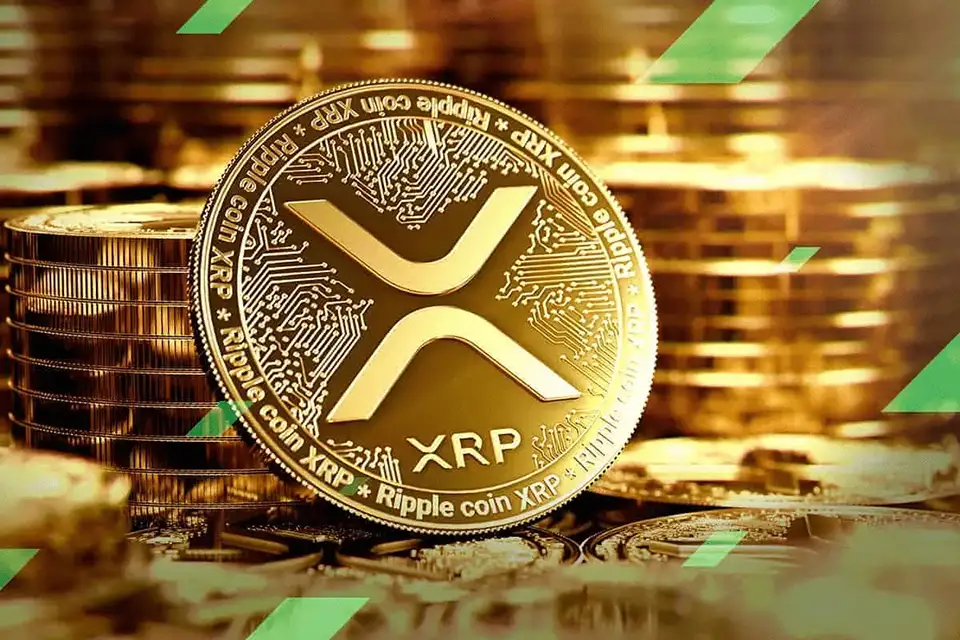
Ripple (XRP) is a cryptocurrency and digital payment protocol built with the goal of facilitating fast, low-cost international money transfers. It’s often confused with the company Ripple Labs, which created and continues to develop the XRP Ledger. Here’s a comprehensive overview, covering its history, technology, use cases, pros, cons, and current status:
1. History & Background
- 2012: Origins: Ripple was initially created by Jed McCaleb, Arthur Britto, and David Schwartz. It wasn’t the first attempt at a digital currency, but it aimed to solve specific problems with existing systems.
- Ripple Labs (formerly OpenCoin): The company Ripple Labs was founded to commercialize the Ripple protocol. They hold a significant amount of XRP.
- Focus on Banks: From the beginning, Ripple Labs focused on partnering with financial institutions to improve cross-border payments.
- SEC Lawsuit (2020-2023): A major hurdle for Ripple was a lawsuit filed by the U.S. Securities and Exchange Commission (SEC) in December 2020. The SEC alleged that Ripple conducted an unregistered securities offering through the sale of XRP. This lawsuit significantly impacted XRP’s price and adoption.
- Partial Victory (July 2023): In July 2023, a judge ruled partially in favor of Ripple. The court found that XRP itself wasn’t necessarily a security, but that Ripple’s sales to institutional investors were securities offerings. This was a significant win for Ripple, leading to a price surge.
- Ongoing Legal Landscape: While the core ruling was positive, the legal battle continues regarding Ripple’s sales practices.
2. Technology & How it Works
- XRP Ledger: XRP operates on its own blockchain, called the XRP Ledger. It’s different from Bitcoin’s blockchain in several key ways.
- Consensus Mechanism: Federated Consensus: Instead of Proof-of-Work (like Bitcoin) or Proof-of-Stake, XRP uses a Federated Consensus mechanism. This involves a network of trusted validators chosen by participants. It’s faster and more energy-efficient.
- Transaction Speed & Cost: XRP transactions are incredibly fast (typically 3-5 seconds) and have very low fees (often fractions of a penny). This is a major advantage over traditional banking systems.
- Pre-mined: Unlike Bitcoin, XRP was pre-mined. All 100 billion XRP were created at the beginning. Ripple Labs holds a large portion of this supply.
- Escrow & Release: Ripple Labs controls the release of XRP into the market through an escrow system. This is designed to prevent market manipulation.
- Decentralization Debate: The level of decentralization of the XRP Ledger is a point of contention. While the network is open, the influence of Ripple Labs and the validator selection process raise questions about true decentralization.
3. Use Cases
- Cross-Border Payments: This is the primary use case. Ripple aims to provide a faster, cheaper, and more transparent alternative to SWIFT (the traditional international payment network).
- On-Demand Liquidity (ODL): Formerly known as xRapid, ODL uses XRP as a “bridge currency” to facilitate instant cross-border payments without the need for pre-funded accounts. This is a key offering for financial institutions.
- Decentralized Exchange (DEX): The XRP Ledger has a built-in DEX allowing users to trade different currencies directly.
- Tokenization: The XRP Ledger can be used to tokenize assets, representing real-world items as digital tokens.
- Microtransactions: The low fees make XRP suitable for microtransactions.
4. Pros of XRP
- Fast Transaction Speed: Significantly faster than Bitcoin and Ethereum.
- Low Transaction Fees: Much cheaper than traditional banking and other cryptocurrencies.
- Scalability: The XRP Ledger is designed to handle a large volume of transactions.
- Focus on Real-World Use Cases: Ripple Labs actively works with financial institutions to integrate XRP into existing payment systems.
- Energy Efficiency: Federated Consensus is far more energy-efficient than Proof-of-Work.
- Partial SEC Victory: The July 2023 ruling provided a boost to confidence and adoption.
5. Cons of XRP
- Centralization Concerns: The influence of Ripple Labs and the validator selection process raise concerns about decentralization.
- SEC Lawsuit (Ongoing): The legal battle with the SEC continues to create uncertainty. Further rulings could impact XRP’s future.
- Pre-mined Supply: The pre-mined nature of XRP means Ripple Labs controls a large portion of the supply, potentially leading to market manipulation.
- Dependence on Ripple Labs: XRP’s success is heavily reliant on the continued development and adoption efforts of Ripple Labs.
- Competition: XRP faces competition from other cryptocurrencies and emerging payment solutions.
6. Current Status (as of November 2025)
- Price: XRP is currently trading around $2.00 – $2.10 (as of Nov 26, 2025). The price has been volatile, heavily influenced by the SEC lawsuit and market sentiment. Note: Cryptocurrency prices are highly volatile and can change rapidly.
- Market Capitalization: Around $120 billion, making it a top 10 cryptocurrency.
- Adoption: Ripple continues to expand its partnerships with financial institutions, particularly through its ODL solution. More banks are using ODL for cross-border payments.
- Development: Ripple Labs is actively developing the XRP Ledger, adding new features and improving scalability.
- Legal Situation: The SEC lawsuit is ongoing, with the focus now on Ripple’s sales practices to institutional investors. The outcome of this phase of the case will be crucial.
Resources for Further Research
- Ripple Official Website: https://ripple.com/
- XRP Ledger Website: https://xrpl.org/
- CoinMarketCap (XRP): https://coinmarketcap.com/currencies/ripple/
- CoinGecko (XRP): https://www.coingecko.com/coins/ripple
- SEC vs. Ripple Lawsuit Updates: Search for news articles and legal analysis on reputable financial news websites.
Disclaimer: I cannot provide financial advice. Investing in cryptocurrencies is highly risky. Do your own research and consult with a qualified financial advisor before making any investment decisions. The information provided here is for general knowledge and informational purposes only, and does not constitute investment advice.