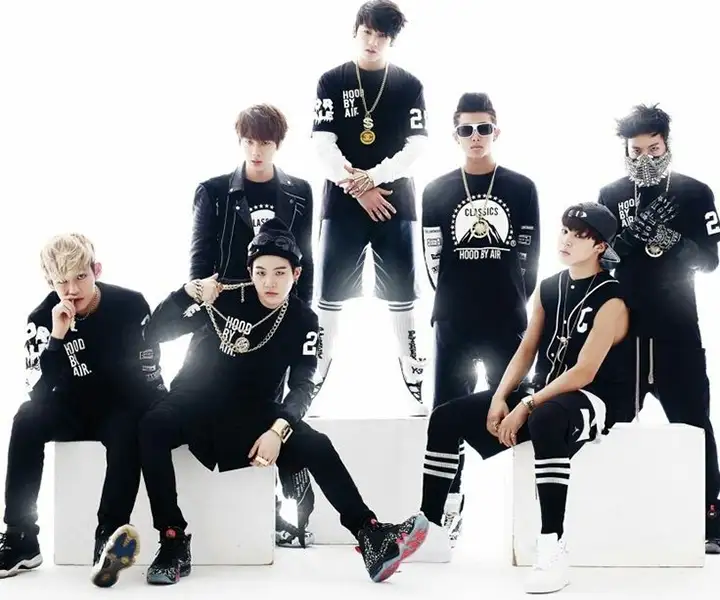
“No More Dream” is a hugely significant song for BTS, as it was their debut track released on June 12, 2013. It’s the title track from their first single album, “2 COOL 4 SKOOL.”
Here’s a breakdown of what makes “No More Dream” so important:
1. Debut & Introduction
This song was the world’s first introduction to BTS. It immediately established them as a hip-hop group with a strong, rebellious image and a clear message.
2. Musical Style
- Genre: It’s rooted firmly in old-school, boom-bap hip-hop, which was quite distinct from the more prevalent pop-oriented K-Pop at the time.
- Production: Features heavy basslines, a strong drum beat, and a raw, almost gritty sound, reminiscent of ’90s hip-hop.
- Vocal Delivery: The song is very rap-heavy, showcasing the powerful delivery of RM, Suga, and j-hope. The vocal line (Jungkook, Jin, V, Jimin) provided strong, melodic hooks that still carried an assertive tone.
3. Lyrical Themes & Message
This is arguably the most crucial aspect of “No More Dream” and set the precedent for BTS’s career.
- Questioning Society: The lyrics directly challenge the societal pressures placed on young people to simply study hard, get a good job, and conform without truly knowing what they want.
- “What is your dream?”: The iconic chorus asks this direct, confronting question, urging listeners to stop living someone else’s dream and find their own.
- Rebellion & Individuality: It’s a call to rebellion against the established norms, encouraging youth to break free from the mold and pursue their unique aspirations.
- Authenticity: Even from their debut, BTS made it clear they would speak truthfully about the struggles and anxieties of their generation.
4. Performance & Choreography
- Powerful & Synchronized: The choreography for “No More Dream” is intense, powerful, and highly synchronized, showcasing their strong performance skills from day one.
- Signature Moves: It features memorable, impactful moves, including a “desk-breaking” move and general sharp, aggressive motions that embody the song’s message.
- Visuals: Their styling for this era involved hip-hop influenced school uniforms, often featuring chains, bandanas, dark colors, and oversized clothing, further emphasizing their rebellious student image.
5. Music Video
- Gritty Aesthetic: The music video features a gritty, urban aesthetic, often set in industrial areas or with a school bus, symbolizing the transition from the structured environment of school to the real world.
- Symbolism: It shows the members breaking free, spray painting, and generally embodying a defiant attitude, visually reinforcing the lyrical themes.
Significance
- Foundation of Their Identity: “No More Dream” established BTS’s core identity as artists who speak for the youth, tackle social issues, and maintain a strong hip-hop foundation, which they would continue to build upon throughout their “school trilogy” and beyond.
- Early Connection with Fans: The honest and relatable lyrics resonated deeply with many young people who felt lost or pressured, helping BTS form a powerful connection with their early fanbase (ARMY).
- Laying the Groundwork: It was a bold statement that set the stage for their future success, demonstrating their unique blend of powerful performance, meaningful lyrics, and a distinct musical style.
In essence, “No More Dream” wasn’t just a song; it was BTS’s manifesto, signaling their arrival and their intention to make music with a purpose.