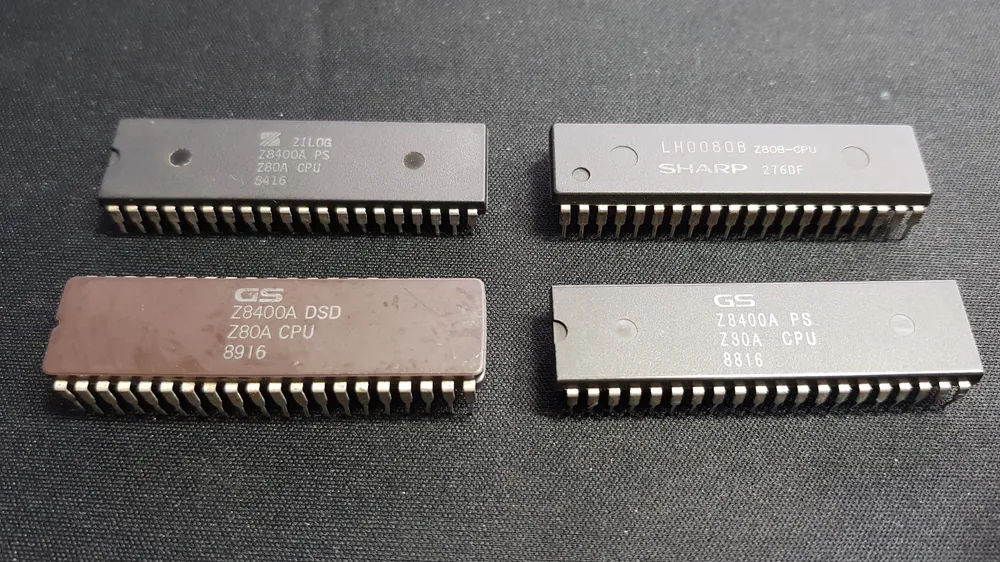
The Zilog Z80: A Deep Dive into a Legendary Microprocessor

The Zilog Z80: A Deep Dive into a Legendary Microprocessor The Zilog Z80 is a foundational 8-bit microprocessor that left an indelible mark on the history of computing. Released in 1976, it quickly became a dominant force, powering everything from early personal computers to arcade games and industrial control systems. Here’s a comprehensive look at … “The Zilog Z80: A Deep Dive into a Legendary Microprocessor” [More]

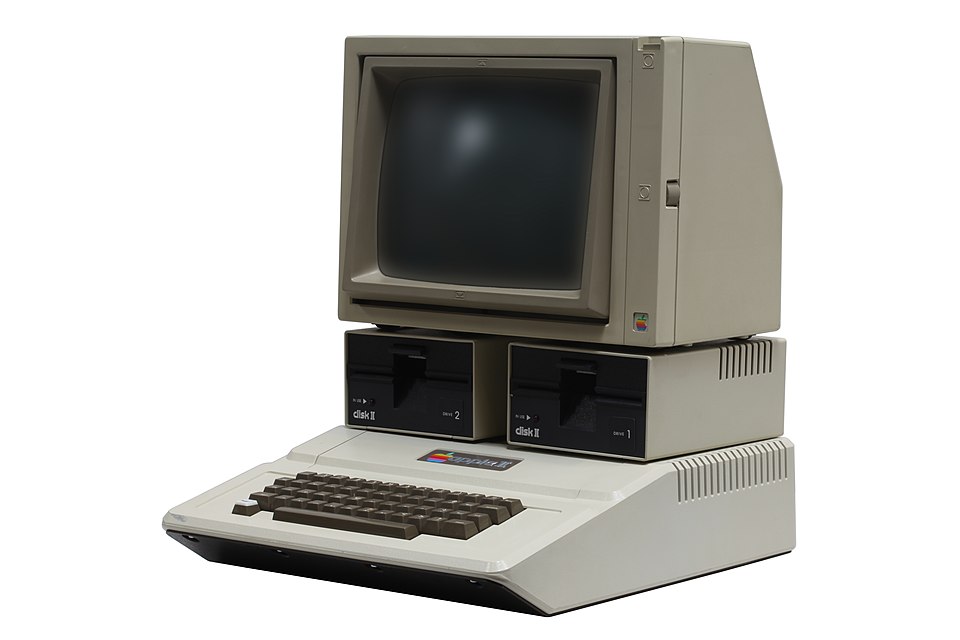
The Apple II: A Revolutionary Personal Computer

The Apple II: A Revolutionary Personal Computer The Apple II is a hugely significant computer in history, often credited with popularizing personal computing. Here’s a comprehensive overview, covering its history, features, impact, and legacy: 1. History & Development (1976-1993) Genesis (1976): Developed by Steve Wozniak and Steve Jobs, the Apple II was born out of … “The Apple II: A Revolutionary Personal Computer” [More]

PHP: A Comprehensive Overview

PHP: A Comprehensive Overview PHP (Hypertext Preprocessor) is a widely-used, open-source scripting language particularly suited for web development and can be embedded into HTML. Here’s a breakdown covering its history, features, uses, pros & cons, and current state: 1. History & Evolution Origins (1994): Created by Rasmus Lerdorf, initially as a set of Common Gateway … “PHP: A Comprehensive Overview” [More]

Some simple code examples for Python

Python is a versatile and beginner-friendly language! Here are some simple code examples covering fundamental concepts. 1. Hello, World! (Basic Output) The classic first program. # This is a comment. Comments are ignored by the Python interpreter. print(“Hello, World!”) print(“Python is fun!”) Explanation: print() is a built-in function that displays output to the console. Text … “Some simple code examples for Python” [More]

Node.js: A Comprehensive Overview

Node.js is a powerful and versatile JavaScript runtime environment that has revolutionized web development. Here’s a breakdown covering its key aspects, benefits, use cases, and more: 1. What is Node.js? JavaScript Runtime: Traditionally, JavaScript ran in web browsers. Node.js allows you to run JavaScript outside of a browser, directly on your computer’s operating system (Windows, … “Node.js: A Comprehensive Overview” [More]

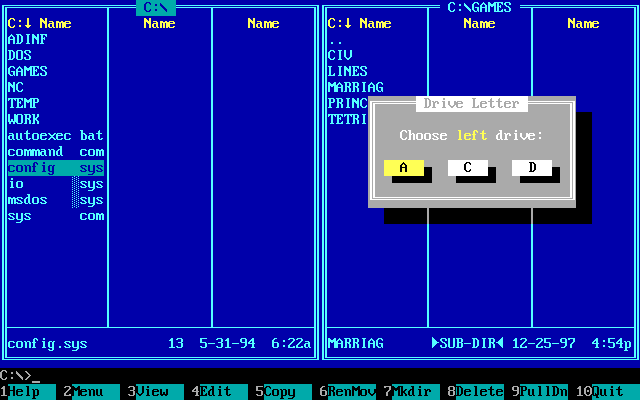
Codepage 437: IBM’s most widely used character codes

Codepage 437 of the IBM PC assigns various special symbols, extended Latin characters, and box drawing characters to the 33 control character points of ASCII (0x00 to 0x1F and 0x7F) and the 128 points of extended ASCII (0x80 to 0xFF), so that they can be used for semi-graphic purposes in text mode. In particular, box-drawing … “Codepage 437: IBM’s most widely used character codes” [More]

Some simple code examples for QB64

QB64 is a modern dialect of QBasic/QuickBASIC, designed to be compatible with classic BASIC while adding new features and supporting modern operating systems. It’s great for learning programming because of its simplicity and immediate visual/auditory feedback. Here are some simple code examples to get you started: 1. Hello World (The Absolute Basic) This program clears … “Some simple code examples for QB64” [More]

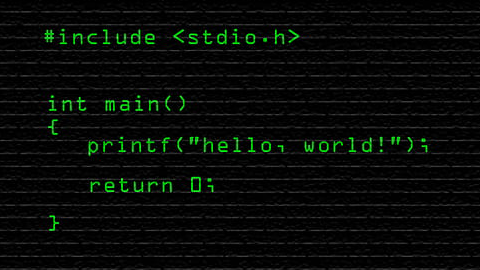
“Hello, World!” for C and C++

Here’s the classic “Hello, World!” code for both C and C++, along with explanations and how to compile/run them. C Hello World Code #include <stdio.h> // Required for input/output functions like printf int main() { // printf is a function used to print formatted output to the console printf(“Hello, World!\n”); // main returns an integer. … ““Hello, World!” for C and C++” [More]

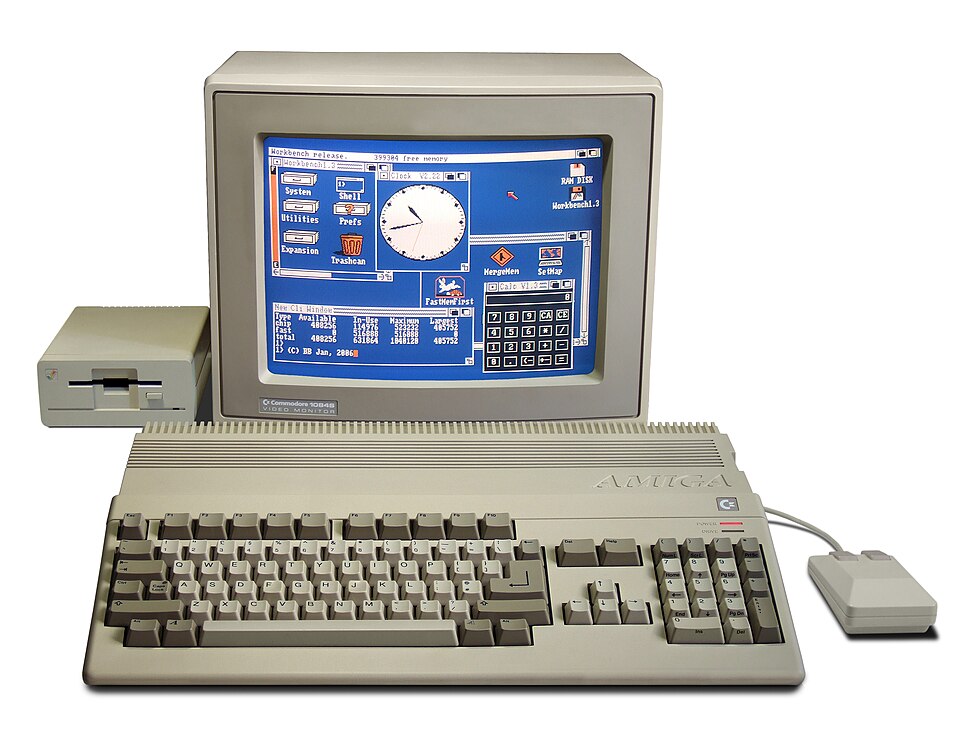
The Commodore Amiga: A Revolutionary Computer Ahead of Its Time

The Commodore Amiga: A Revolutionary Computer Ahead of Its Time The Commodore Amiga was a family of personal computers released by Commodore International in 1985. It’s often remembered with immense fondness by those who used it, and for good reason. It was a groundbreaking machine that pushed the boundaries of what was possible in home … “The Commodore Amiga: A Revolutionary Computer Ahead of Its Time” [More]

ASCII character table – 128 Basic characters

ASCII basically has 128 characters. Control Characters: 33 Chars. (0x00 to 0x1F and 0x7F) Normal Characters: 95 Chars. (0x20 to 0x7E) Since UTF-8 encoding represents these characters with only one byte, it is compatible with ASCII. Code Table Code Chr Description Hex Dec Oct Bin  00 0 000 000 0000 NUL Null 01 1 001 000 0001 … “ASCII character table – 128 Basic characters” [More]