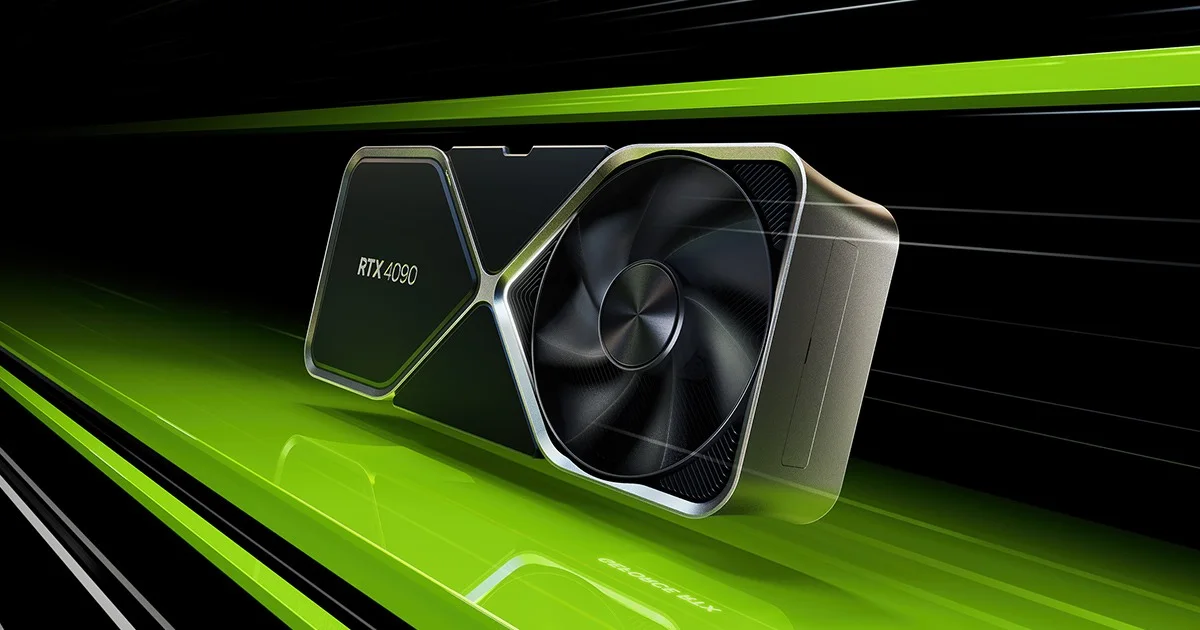
NVIDIA’s RTX brand represents their line of graphics cards that support Ray Tracing and DLSS (Deep Learning Super Sampling). These are categorized by their architecture and generation.
Here is the list of major NVIDIA RTX products organized by generation:
1. GeForce RTX 50-Series (“Blackwell” Architecture)
The most recent generation, focused on extreme performance and advanced AI capabilities.
- RTX 5090 (Announced/Upcoming)
- RTX 5080 (Announced/Upcoming)
2. GeForce RTX 40-Series (“Ada Lovelace” Architecture)
Introduced DLSS 3 (Frame Generation) and high power efficiency.
- RTX 4090 (Flagship)
- RTX 4080 Super / 4080
- RTX 4070 Ti Super / 4070 Ti / 4070 Super / 4070
- RTX 4060 Ti / 4060
3. GeForce RTX 30-Series (“Ampere” Architecture)
Known for a massive leap in performance and bringing RTX to the mainstream market.
- RTX 3090 Ti / 3090
- RTX 3080 Ti / 3080
- RTX 3070 Ti / 3070
- RTX 3060 Ti / 3060
- RTX 3050
4. GeForce RTX 20-Series (“Turing” Architecture)
The first generation of RTX cards, which introduced hardware-accelerated Ray Tracing and DLSS 1.0.
- RTX 2080 Ti / 2080 Super / 2080
- RTX 2070 Super / 2070
- RTX 2060 Super / 2060
5. Professional RTX (Workstation/Data Center)
While GeForce cards are for gaming, NVIDIA produces a separate line of “RTX” branded cards for professionals (formerly called Quadro). These are designed for CAD, 3D rendering, and AI research.
- NVIDIA RTX 6000 Ada Generation (Current flagship workstation)
- NVIDIA RTX A-Series (e.g., A6000, A5000, A4000)
- NVIDIA RTX 5000 / 4000 / 2000 Ada Generation
- NVIDIA H100 / A100 / B200 (Data Center GPUs, often referred to as Tensor Core GPUs; these support RTX technologies but are built strictly for AI and HPC).
Summary Table: Performance Tiers
If you are looking for how these relate to one another, here is the general naming convention NVIDIA uses:
| Suffix/Tier | Meaning |
|---|---|
| 90 | Ultra-enthusiast / Workstation-lite (Best available) |
| 80 | High-end / 4K gaming |
| 70 | Mid-to-high range / 1440p gaming |
| 60 | Mainstream / 1080p gaming |
| 50 | Entry-level RTX |
| Ti / Super | Improved versions of the base model |
Note: There are no RTX 10-series cards; the GTX 1080 Ti was the generation immediately preceding the RTX 20-series, and it did not feature dedicated RT or Tensor cores.